
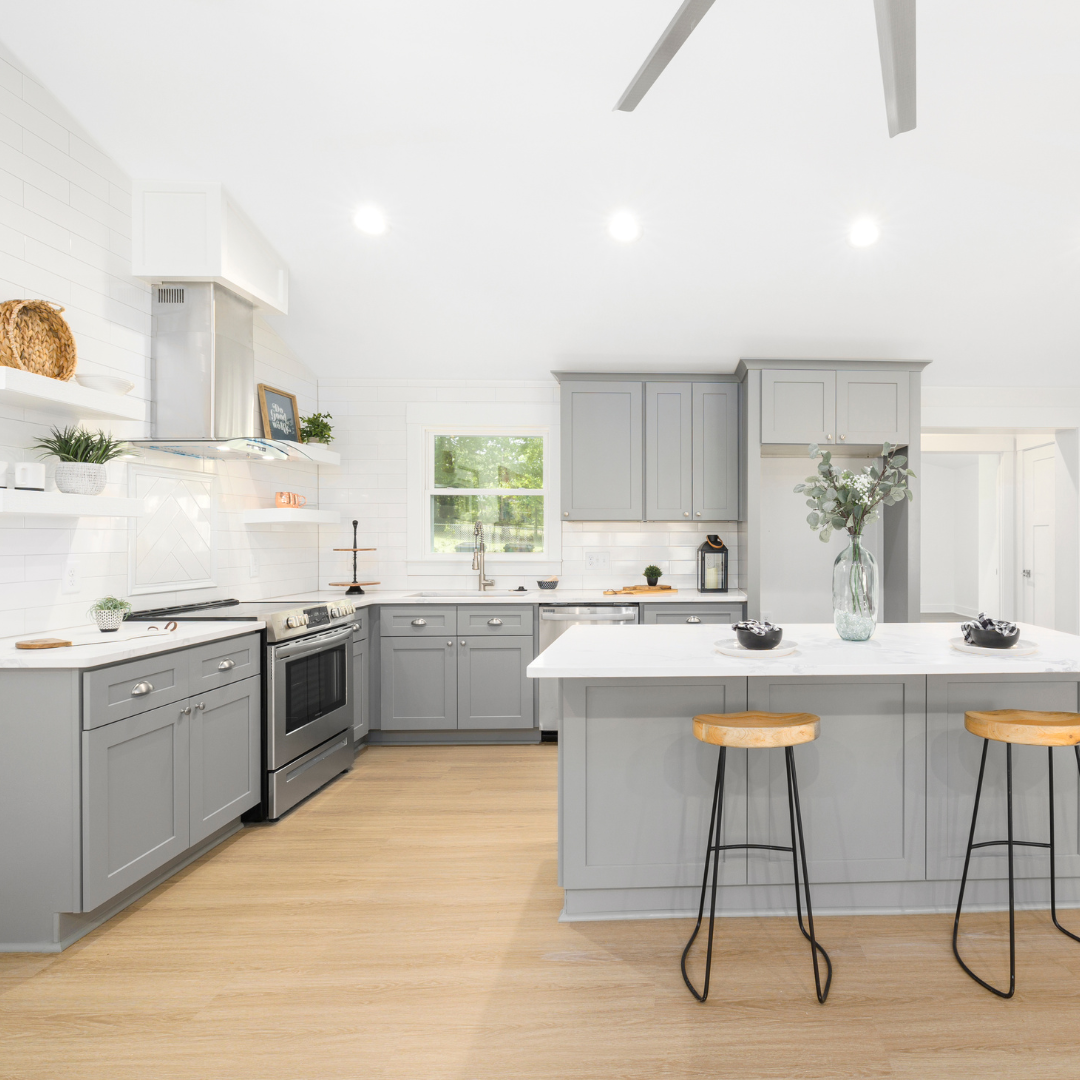
How to Create a Cozy and Functional Home Space: Design Tips for Comfort and Utility
Creating a cozy and functional home space involves a balance of comfort, style, and practicality. By choosing adaptable furniture, utilizing soft textiles, and incorporating personal touches, anyone can transform their living area into a welcoming sanctuary that meets everyday needs. A well-designed space enhances productivity and relaxation, making it essential to consider both function and ambiance.
The right layout can significantly impact how a home space is perceived and used. Strategically placed furniture can encourage social interactions while maximizing available space. Each element, from lighting to color schemes, plays a vital role in establishing a warm atmosphere that feels inviting.
Personalization is key to making any space feel like home. Incorporating décor that reflects personal interests and memories creates a unique environment. This approach not only elevates aesthetics but also fosters a deeper connection to the space, making it a true reflection of individual taste.
Foundational Elements for a Cozy and Functional Home
Creating a home space that is both cozy and functional involves several essential elements. Focusing on comfort while ensuring practicality can enhance one’s living environment significantly. Efficient furniture arrangements and defined activity zones contribute to an organized and inviting atmosphere.
Balancing Comfort and Practicality
To achieve a balance between comfort and practicality, it is essential to choose comfortable seating options. An ergonomic chair is crucial for workspace areas, ensuring proper posture during long hours of usage. Sofas and lounge chairs should be plush yet easy to clean to withstand everyday use.
Additionally, multi-functional furniture is an asset. For instance, a storage ottoman can serve as both seating and a space to store items. This type of furniture maximizes functionality without sacrificing comfort. Inviting textures like soft blankets and decorative pillows can further enhance the coziness of these pieces.
Optimizing Furniture Arrangements
Effective furniture arrangements facilitate flow and accessibility throughout the home. Position seating to create intimate conversation areas, ensuring that they do not obstruct pathways. Use nesting tables for added surface space, which can be stored away when not in use.
Moreover, consider the use of floating shelves and vertical storage solutions to keep the floor space open. This will not only make the room feel larger but also ensure easy access to essential items. An organized layout contributes to a comfortable atmosphere by reducing clutter and enhancing functionality.
Defining Activity Zones
Defining activity zones within a home is key to enhancing functionality. Establish zones such as a reading nook, workspace, and relaxation area to optimize space usage. Each zone can be marked using rugs or furniture placement, guiding individuals on where to focus their activities.
For effective storage, employ smart storage solutions tailored for each zone. Incorporate storage zones with baskets or bins that keep items organized. With clear separation of activities, the home becomes a harmonious blend of comfort and functionality, catering to different needs effortlessly.
Using Lighting and Textures for Warmth and Ambiance
Creating a cozy and functional home space requires attention to lighting and texture. The right combination can significantly influence a room’s atmosphere, making it inviting and comfortable. The following elements play a crucial role: layering textiles, choosing suitable lighting types, and creating an ambient setting.
Layering Textiles and Materials
Layering different textiles adds depth and warmth to a space. Using a plush area rug as a foundation can create a cozy underfoot feel. Opting for natural materials like wool, cotton, or faux fur allows for visual contrast and tactile richness.
Incorporating throw blankets and decorative pillows enhances comfort. They can be mixed in various textures and colors to create visual interest. Layering techniques, such as placing a cotton throw over a wool blanket, establish a more inviting atmosphere.
Arranging materials thoughtfully will ensure that the space feels cohesive. Different textures should complement each other, contributing to a balanced aesthetic. This combination of elements not only enhances warmth but also reflects personal style.
Choosing Lighting Types and Placement
Selecting the right lighting types is essential for establishing ambiance. Table lamps, floor lamps, and sconces can create a layered lighting effect. Each of these options offers versatility in placement, allowing for dramatic or subtle illumination.
Warm lighting, typically in the range of 2700K to 3000K, promotes relaxation. It enhances the cozy feel of a space and should be used in living rooms and bedrooms. Including dimmer switches provides control, enabling adjustments according to time of day or mood.
Strategic placement of lighting sources can dramatically change how a room feels. Positioning lamps near seating areas encourages conversation, while sconces highlight artwork or architectural features. Proper lighting emphasizes the warmth from layered textiles, enhancing the overall cozy environment.
Creating Ambient and Soft Lighting
For optimal ambiance, soft lighting is key. Using multiple light sources in a room, such as a mix of lamps, candles, and wall lights, creates a gentle glow. This approach prevents harsh shadows and fosters a welcoming atmosphere.
Incorporating candles can enhance the overall experience with their flickering light. They can be placed on mantels, tables, or shelves, adding both warmth and an inviting scent. Essential oils or scented candles can also contribute to the cozy feel of the space.
The use of lamps with soft, diffused shades will reduce glare, creating a calming effect. This layered lighting approach helps to achieve a cozy, intimate environment ideal for relaxation or entertaining guests.
Maximizing Space and Storage Efficiency
Creating an efficient home space requires effective storage solutions and intentional decluttering practices. This approach enables a more functional environment while maintaining a cozy atmosphere.
Smart Storage Solutions
To optimize space, incorporating vertical storage can significantly enhance organization. Utilizing walls for floating shelves allows for decorative display without sacrificing floor space. These shelves can hold books, plants, or other accents, adding both style and functionality.
Storage ottomans are another excellent option. They provide convenient seating or a footrest while hiding away blankets, toys, or magazines. When selecting furniture, consider pieces that serve dual purposes, as this encourages thoughtful organization.
Creating designated storage zones within each room ensures items are easy to access. For example, grouping similar items together, such as office supplies or kitchen tools, streamlines daily activities.
Decluttering with Intention
Effective decluttering starts with a clear purpose. She should assess each item’s value and relevance to her daily life.
A useful method is the “one in, one out” rule. For every new item brought in, one item should be removed. This approach prevents accumulation and helps maintain a tidy environment.
Intention also plays a crucial role in organizational systems. Using clear bins or labeled boxes for items ensures everything has a specific place. Regularly revisiting these areas to remove unnecessary items promotes ongoing efficiency. This focus on intentional decluttering reinforces a balanced and inviting living space.
Adding Personal Touches and Natural Elements
Creating a cozy home involves more than just functional furniture. Incorporating personal items and elements from nature can significantly enhance the warmth and appeal of a space. Personal touches, such as family photos or artwork, create a sense of belonging, while natural elements improve air quality and uplift mood.
Incorporating Personal Items and Artwork
Personalization begins with items that reflect one’s identity. Family photos, displayed in frames or as part of a gallery wall, tell stories and evoke memories.
Statement pieces like unique sculptures or expressive paintings can serve as focal points. They draw attention and invite conversation.
Placing art and personal memorabilia on shelves, tables, or walls creates a layered and dynamic environment. Combining different textures and styles adds depth and interest while ensuring every piece serves a purpose.
Bringing the Outdoors In
Indoor plants are a practical way to introduce nature. They improve air quality and add visual appeal. Snake plants and pothos are excellent choices, as they thrive in various light conditions and require minimal maintenance.
Natural light is crucial in all home spaces. Utilizing sheer curtains allows sunlight to filter through while maintaining privacy. Creating a window seat can serve as both a relaxing nook and a way to enjoy natural views.
Incorporating wooden elements, like furniture or accents, further enhances the connection with nature.
Creating a Personal Sanctuary
Designating a space within the home as a personal sanctuary is vital for relaxation. This may be a cozy reading corner or a meditation area.
Soft textiles, like plush throws and cushions, can make the space inviting.
Adding elements like candles or essential oil diffusers enhances the sensory experience. These small adjustments foster tranquility and comfort.
Ultimately, this sanctuary should reflect individual preferences, serving as a dedicated area to unwind and recharge. Balancing personal touches with nature creates an inviting atmosphere conducive to relaxation and well-being.


You May Also Like

Exploring Dating With LGBTQ+

Easy Weeknight Dinners for Busy Home Cooks: Quick and Delicious Meal Ideas