
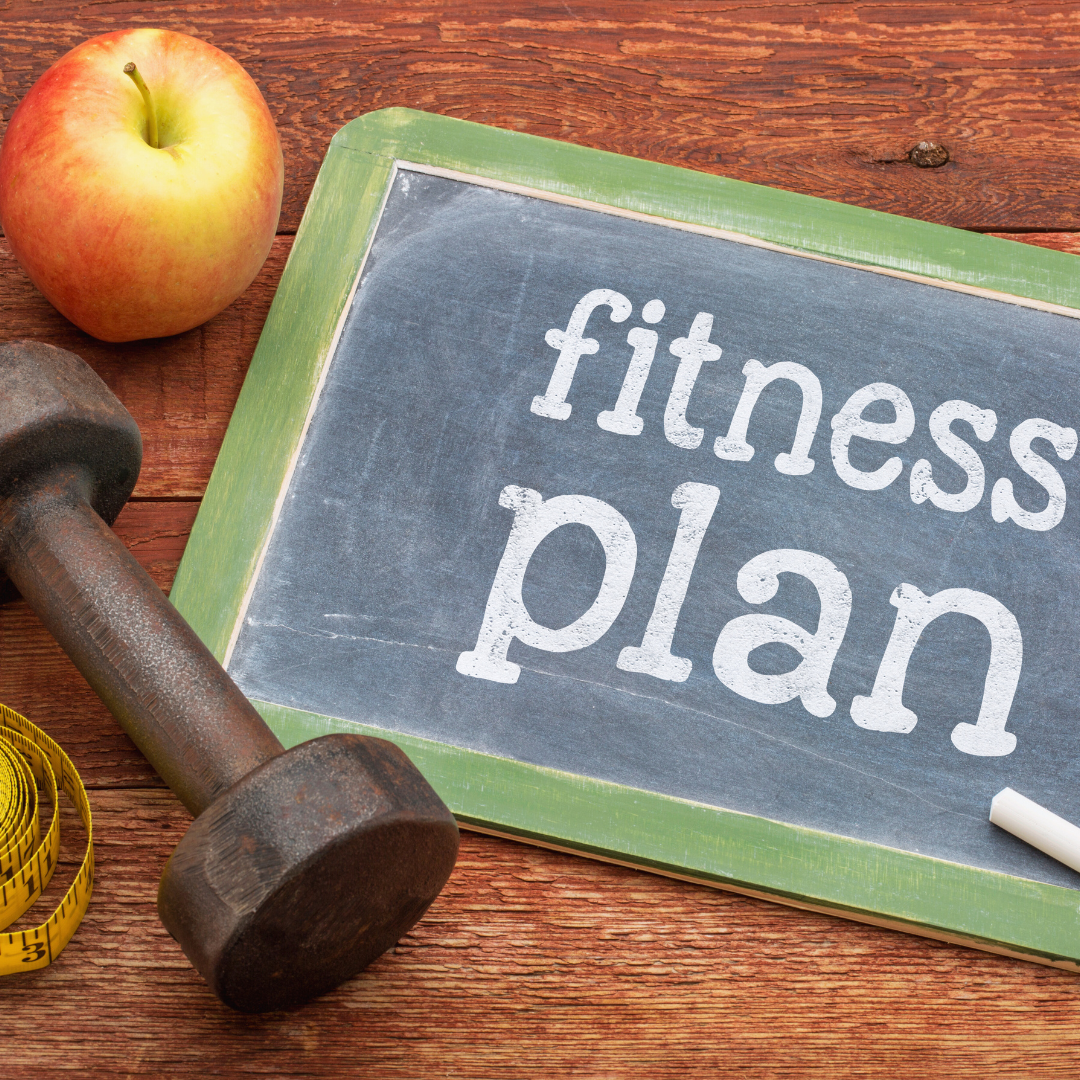
How to Create a Fitness Plan That Works for You: Tailoring Your Approach for Success
Creating a fitness plan that truly works involves more than just following generic guidelines; it requires personal tailoring to fit individual needs and lifestyles. The key to a successful fitness journey is understanding one’s own goals, preferences, and limitations. By considering these factors, anyone can design a sustainable plan that encourages progress and maintains motivation.
When embarking on this journey, individuals should start by assessing their current fitness levels and identifying specific goals, whether that’s weight loss, building muscle, or improving overall health. This self-awareness allows for a more focused approach, ensuring that each workout aligns with desired outcomes.
Staying engaged in the process is crucial. Incorporating enjoyable activities and varying routines can prevent burnout and keep motivation high. A fitness plan should evolve as goals and circumstances change, ensuring it remains effective and enjoyable at every stage of the journey.
Setting Personalized Fitness Goals
Creating effective fitness goals is essential for developing a personalized fitness plan. Personalized goals help in maintaining motivation and tracking progress. They should be specific, measurable, and aligned with individual health objectives.
Defining Your Fitness Objectives
Defining fitness objectives starts with self-reflection. Individuals should assess their current fitness level, interests, and desired outcomes. Common objectives include weight loss, improving endurance, or enhancing strength.
Writing down specific goals helps clarify intentions. For instance, instead of aiming to “get fitter,” one might set a goal to “run 5 kilometers in under 30 minutes.” This specificity provides a clear target to work towards.
Applying the SMART Framework to Goal Setting
The SMART framework serves as a practical guide for effective goal setting. Each goal should be Specific, Measurable, Achievable, Relevant, and Time-bound.
- Specific: Clearly define what the goal is (e.g., “lose 10 pounds”).
- Measurable: Include metrics to track progress (e.g., weight loss tracking).
- Achievable: Set realistic goals based on one’s fitness level.
- Relevant: Align goals with overall health objectives.
- Time-bound: Set a deadline for achieving the goal.
Using this framework ensures that goals are well-structured and attainable.
Aligning Goals With Your Fitness Journey
Aligning goals with fitness journeys enhances motivation and satisfaction. It’s crucial to ensure that goals reflect personal aspirations and fit within lifestyle constraints.
For example, someone with a busy schedule might prioritize shorter, high-intensity workouts to fit their routine. They can set a goal to complete three 20-minute sessions each week.
Additionally, flexibility is essential. If progress plateaus or circumstances change, adjusting goals can help maintain commitment. Regularly reviewing and modifying goals keeps the fitness journey relevant and inspiring.
Sometimes, physical changes from weight loss or aging do not align with expectations, even with a strict exercise routine. Stubborn fat pockets or loose skin can remain despite consistent effort. In these cases, some people choose to consult with a medical professional to address these specific areas. Consulting the best plastic surgeon in nyc can help individuals understand their options for body contouring. This step complements a fitness journey and helps people achieve their desired physical results.
Assessing Your Current Fitness Baseline
Establishing a fitness baseline is essential for creating an effective fitness plan. It involves understanding one’s current fitness level and body composition, which will help guide future goals and assessments.
Conducting a Fitness Assessment
A fitness assessment can provide valuable insights into an individual’s current abilities. Common components include:
- Cardiovascular endurance: Measured through activities like a 1-mile walk or run.
- Muscular strength: Assessed by performing exercises like bench press or squats.
- Muscular endurance: Evaluated using push-up or sit-up tests over a set time.
- Flexibility: Tested with stretches such as the sit-and-reach.
This assessment can be conducted individually or with the help of a trainer. It offers a reference point for tracking progress.
Evaluating Current Fitness Level and Body Composition
To gauge current fitness levels, individuals should analyze their physical capabilities alongside body composition.
Body composition refers to the proportion of fat to lean mass in the body. Tools such as calipers and body fat scales can help measure this.
Key metrics to evaluate include:
- Body Mass Index (BMI): A general guideline for weight in relation to height.
- Waist-to-hip ratio: A measure that indicates fat distribution.
By understanding these factors, they can set realistic goals that align with their personal fitness journey.
Identifying Strengths, Weaknesses, and Mobility
Identifying strengths and weaknesses is crucial in crafting a balanced fitness plan.
A thorough assessment can highlight areas requiring improvement, such as:
- Muscular strength: If upper body strength is weaker, exercises can focus on that area.
- Flexibility issues: Recognizing the limited range of motion can guide stretching routines.
Mobility should also be evaluated, as it affects daily activities and overall performance. Incorporating mobility exercises and stretching can enhance flexibility and reduce injury risk.
Gaining a clear picture of these aspects serves as a foundation for any subsequent fitness plan.
Designing an Effective Workout Routine
Creating a balanced workout routine involves selecting effective exercise types, determining appropriate frequency and duration, implementing progressive overload, and incorporating recovery methods. Each element contributes to a comprehensive plan that aligns with individual goals and needs.
Choosing Exercise Types: Cardio, Strength, and Flexibility
An effective workout routine should include a blend of cardio, strength training, and flexibility exercises.
- Cardio enhances cardiovascular health and burns calories. Options like running, cycling, or swimming can be tailored to different fitness levels.
- Strength training builds muscle and increases metabolism. Weight lifting, resistance bands, or bodyweight exercises like push-ups are useful.
- Flexibility exercises improve range of motion and reduce injury risk. Activities such as yoga or dedicated stretching should be included.
Aiming for a mix of these types ensures a well-rounded approach to fitness.
Determining Workout Frequency and Duration
Frequency and duration are crucial for effectiveness.
- Frequency refers to how many times workouts occur each week. For most, 3-5 sessions per week are sufficient, depending on individual goals.
- Duration is the length of each workout. Sessions typically range from 30 to 60 minutes.
Adjusting these factors can help in managing fatigue and ensuring recovery.
| Goal | Frequency | Duration |
| General fitness | 3-4 times/week | 30-60 minutes |
| Weight loss | 5 times/week | 45-60 minutes |
| Muscle gain | 4-5 times/week | 45-60 minutes |
Implementing Progressive Overload
Progressive overload is essential for continued improvement. This principle involves gradually increasing the intensity or difficulty of workouts.
- Increase weights during strength training.
- Add intervals in cardio sessions, alternating between high and low intensity.
- Increase repetitions or sets to challenge muscles.
Tracking progress helps to ensure that the overload is appropriate, preventing plateaus.
Incorporating Bodyweight Exercises and Recovery
Bodyweight exercises offer versatility and can be easily modified. These exercises, such as squats, lunges, and planks, can be performed anywhere.
Recovery is equally important. It includes rest days, active recovery activities like light yoga or walking, and proper nutrition.
Together, they support muscle repair and growth, reducing the risk of injury. Establishing a balanced routine with these elements will enhance effectiveness and sustainability.
Maintaining Consistency and Tracking Progress
Establishing a consistent fitness routine requires ongoing adjustments, using effective tools, and cultivating healthy habits. Key practices ensure progress tracking and support long-term engagement with fitness goals.
Adjusting Your Fitness Plan Over Time
Fitness plans should evolve based on personal experiences and changing goals. Regular assessments—at least every 4 to 6 weeks—can identify areas needing improvement or modification.
Considerations for adjustments include:
- Progress Evaluation: Analyze workout performance and results.
- Changing Goals: Adapt the plan for weight loss, muscle gain, or improved endurance.
- Avoiding Plateaus: Introduce new exercises or increase intensity to stimulate growth.
Adjusting plans maintains motivation and helps meet personal fitness objectives effectively.
Using Fitness Apps and Tools
Fitness apps provide valuable resources for tracking workouts and progress. Many apps offer features like exercise databases, workout loggers, and nutrition tracking.
Popular tools include:
- MyFitnessPal: Useful for tracking calories and macronutrients.
- Strava: Ideal for runners and cyclists to monitor their routes and performance.
- Fitbit: Allows users to track steps, workouts, and sleep.
Using these apps can offer insights into progress, making adjustments easier and helping users stay accountable.
Building Healthy Habits for Long-Term Success
Establishing healthy habits is crucial for sustaining a fitness routine. Fostering these behaviors can ensure continued engagement and improve overall well-being.
Key habits to consider:
- Scheduled Workouts: Designate specific workout times to integrate fitness into daily life.
- Goal Setting: Set achievable short-term and long-term goals to create a sense of purpose.
- Mindset Shifts: Approach fitness as a lifestyle change rather than a temporary fix.
Consistent practices lead to lasting changes, enhancing the likelihood of achieving fitness targets.
Staying Hydrated and Preventing Injury
Hydration is essential for effective workouts and recovery. Proper fluid intake supports performance and prevents fatigue.
Hydration tips include:
- Pre-Workout: Drink water at least 30 minutes before exercising.
- During Workouts: Sip water regularly, especially during intense sessions.
- Post-Workout: Rehydrate to replenish lost fluids.
Injury prevention should also be a priority. Incorporating warm-ups, cooldowns, and proper techniques will minimize the risk of injuries while supporting long-term fitness success.


You May Also Like

How to Prevent Sports Injuries: 5 Essential Tips for Athletes

Hula Hooping – Kids Activity or Adult Waist Training?
