

Fitness Tips for Busy Daily Routines: Maximizing Health Amidst a Hectic Schedule
Finding time for fitness in a busy daily routine can feel like an impossible task. Many people juggle work, family, and social commitments, often placing exercise on the back burner. Integrating fitness into a hectic lifestyle is achievable with strategic planning and small adjustments.
By focusing on efficient workouts and incorporating physical activity into daily tasks, individuals can maintain their fitness without sacrificing time. Simple strategies, such as short bursts of exercise and utilizing everyday opportunities for movement, can lead to lasting results.
Staying active is not about finding hours in the day; it’s about making the most of the time available. With the right mindset and a few practical tips, anyone can embrace a healthier lifestyle, even amidst a packed schedule.
Key Principles for Staying Fit With a Busy Daily Routine
Fitness can be integrated into a busy lifestyle with strategic planning and commitment. Focusing on effective time management, realistic goals, and consistent habits helps individuals stay fit even with a packed schedule.
Time Management Strategies For Fitness
Effective time management is crucial for anyone juggling multiple responsibilities. Individuals can start by identifying their free time slots during the week. Creating a weekly schedule that includes dedicated exercise periods can make a significant difference.
Utilizing time-blocking techniques can also help. For instance, reserving 30 minutes each morning for a workout can ensure it becomes a non-negotiable part of the day. Setting reminders on a phone or calendar can prompt individuals to prioritize their fitness.
Lastly, integrating physical activity into daily tasks can also save time. For example, walking or cycling for short errands is a practical way to stay active without requiring extra time.
Setting Realistic Fitness Goals
Setting specific and attainable fitness goals is essential for maintaining motivation. Individuals should define their objectives clearly, whether that’s losing weight, building strength, or improving cardiovascular health.
Using the SMART criteria (Specific, Measurable, Achievable, Relevant, Time-bound) can guide this process. For example, instead of aiming to “get fit,” one might set a goal to “exercise for 30 minutes, three times a week.”
Breaking larger goals into smaller milestones makes progress easier to track. Celebrating these small achievements can foster ongoing engagement and commitment to the fitness journey.
Prioritizing Consistency Over Duration
Maintaining a consistent fitness routine is more important than the length of each workout. Individuals should focus on integrating short workouts into their daily lives that fit their busy schedules.
Even 10 to 15 minutes of exercise, performed regularly, can yield significant benefits. High-Intensity Interval Training (HIIT) or short circuit workouts can be effective in this regard.
To enhance consistency, individuals can choose activities they enjoy. This enjoyment increases the likelihood of sticking to a routine. Making fitness a regular part of life encourages a sustainable approach to health, regardless of time constraints.
Efficient Workout Strategies for Limited Time
For those managing tight schedules, finding time for exercise can feel daunting. Implementing effective strategies can help maximize workout potential while minimizing time commitment. The following techniques highlight how to achieve fitness goals even with limited availability.
Quick Workouts for Busy People
Quick workouts cater to individuals with limited time. These sessions typically range from 10 to 30 minutes and focus on intensity rather than duration. Incorporating exercises like cycling, jogging, or circuit training allows participants to maximize calorie burn in a short period.
A sample quick workout could include:
- 5 minutes: Warm-up (dynamic stretches)
- 20 minutes: Circuit (push-ups, squats, lunges, burpees with minimal rest)
- 5 minutes: Cool down (static stretches)
This structure keeps the heart rate elevated, providing significant cardiovascular and muscular benefits.
Benefits of High-Intensity Interval Training (HIIT)
High-Intensity Interval Training (HIIT) is an effective strategy for busy individuals. Alternating between short bursts of intense exercise and brief rest periods can lead to significant fitness improvements in less time. HIIT workouts typically last 20 to 30 minutes and can be easily adapted.
The benefits of HIIT include:
- Time Efficiency: Short workouts yield results comparable to longer sessions.
- Increased Caloric Burn: The afterburn effect, or excess post-exercise oxygen consumption (EPOC), helps burn calories even post-workout.
- Improved Cardiovascular Health: Regular HIIT can enhance heart function and endurance levels.
Incorporating HIIT into a weekly routine can yield substantial fitness gains in a limited timeframe.
Bodyweight Exercises for Maximum Results
Bodyweight exercises are ideal for efficient workout routines. They require no equipment, making them accessible to anyone, anywhere. Key exercises include push-ups, squats, planks, and various core movements.
A bodyweight circuit can be structured as follows:
- Push-ups: 15-20 reps
- Bodyweight Squats: 15-20 reps
- Jumping Jacks: 30 seconds
- Plank: 30 seconds
Circuit training can be repeated for 3-4 rounds with limited rest, efficiently building strength and endurance. These movements target multiple muscle groups, ensuring maximum results in minimal time.
Structuring Short and Effective Exercise Sessions
When structuring short exercise sessions, maintaining a clear plan is essential. Prioritize compound movements that engage multiple muscle groups for more efficient calorie burn.
Guidelines for effective workouts include:
- Set Specific Goals: Know what you want to achieve in each session, whether it’s strength, endurance, or flexibility.
- Keep Sessions Short: Aim for 20 to 30-minute workouts focusing on intensity.
- Limit Rest Periods: Short breaks of 10-30 seconds enhance cardiovascular benefits and keep the heart rate elevated.
Using these strategies ensures that even the busiest individuals can incorporate fitness into their daily lives with effectiveness and ease.
Sample Routines and Practical Exercise Options
Busy schedules can challenge the commitment to fitness, but effective routines can fit seamlessly into daily life. Below are structured options that address full-body workouts, strength training, flexibility exercises, and cardio routines, ensuring a balanced approach to fitness.
Full-Body Circuit for Busy Schedules
A full-body circuit can be completed in 20-30 minutes and requires minimal equipment. This workout targets multiple muscle groups, maximizing time efficiency.
Sample Circuit:
- Push-Ups: 10-15 reps
- Squats: 15-20 reps
- Burpees: 8-12 reps
- Mountain Climbers: 30 seconds
- Plank: Hold for 30 seconds
Repeat this circuit 2-3 times. The combination of compound exercises engages major muscles, promoting strength and endurance. This routine can be modified to increase intensity or decrease rest times.
Strength Training and Core Workouts
Incorporating strength training into a routine enhances muscle development and core stability. Bodyweight exercises are effective for all fitness levels.
Key Exercises:
- Lunges: 10-15 reps per leg
- Deadlifts: Use dumbbells or resistance bands for added challenge.
- Tricep Dips: Use a sturdy chair, performing 10-15 reps.
- Glute Bridges: 15-20 reps to strengthen the posterior chain.
Additionally, core workouts like bicycle crunches and planks can improve balance and form. Focusing on core stability benefits overall performance across other activities.
Desk and Home Workouts for Flexibility
Incorporating desk exercises and stretching can enhance flexibility, especially for those with sedentary jobs.
At-Desk Stretches:
- Cat-Cow Stretch: Performed sitting for spinal mobility.
- Seated Torso Twist: To relieve tension in the back.
Home Workouts:
- Yoga Flow: Simple sequences can be practiced in 10-15 minutes.
- Chair Yoga: Engaging in stretches while seated.
Regularly integrating these movements can prevent stiffness and improve overall well-being, crucial for productivity during a busy day.
Incorporating Cardio and Mobility Work
Cardio exercises boost heart health and increase stamina. They can be easily integrated into daily activities.
Suggestions:
- Walking or Jogging: Dedicating 20 minutes to brisk walking can serve as a cardio blast.
- Jumping Jacks: 30 seconds of jumping jacks can elevate heart rate quickly.
- Mobility Work: Dynamic stretches, such as high knees or leg swings, prepare the body for movement.
Short bursts of cardio paired with mobility exercises can energize throughout the day and enhance overall performance in workouts. Balancing these elements ensures an efficient and comprehensive approach to fitness.
Sustaining Motivation and Tracking Progress
Maintaining motivation while managing a busy schedule requires effective tools and strategies. By utilizing technology and scheduling workouts, individuals can seamlessly incorporate fitness into their daily lives while monitoring their progress.
Staying Motivated with Technology and Apps
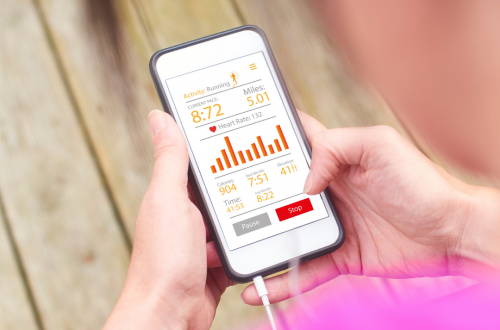
Fitness apps and wearable devices serve as essential tools for tracking workouts and staying motivated. Platforms like MyFitnessPal enable users to log meals, monitor calorie intake, and track exercise routines.
Wearable fitness trackers can record steps, heart rate, and workout intensity. This data helps individuals assess performance over time, providing tangible evidence of progress.
Using reminders and scheduling features within these apps keeps workouts on track. Setting specific goals, such as running a certain distance or achieving a weight target, reinforces motivation to stay committed.
Integrating Fitness Into Your Daily Routine
Integrating fitness requires creativity and planning within a busy schedule. Morning workouts can be particularly effective for those who struggle to find time later in the day.
Scheduling 20 to 30 minutes for exercise before starting daily responsibilities can enhance both energy and focus. Short, high-intensity interval training (HIIT) sessions can offer maximum benefits in minimal time.
Incorporating physical activity into routine tasks also proves beneficial. Taking the stairs instead of the elevator or walking during lunch breaks can significantly increase daily activity levels.
Nutrition and Hydration Tips for Busy Lifestyles
Proper nutrition and hydration are vital for sustained energy throughout the day. For busy individuals, meal prepping can simplify healthy eating.
Choosing nutrient-dense, portable snacks like fruits, nuts, or yogurt helps maintain energy levels. Staying hydrated is equally important; carrying a water bottle ensures adequate fluid intake.
Apps can assist in tracking hydration levels and reminding users to drink water regularly. A balanced diet, combined with well-timed meals throughout the day, supports fitness goals and overall health.


You May Also Like
Benefits of Using Fitness Apps

Get Fit and Have Fun By Joining A Sports Club