
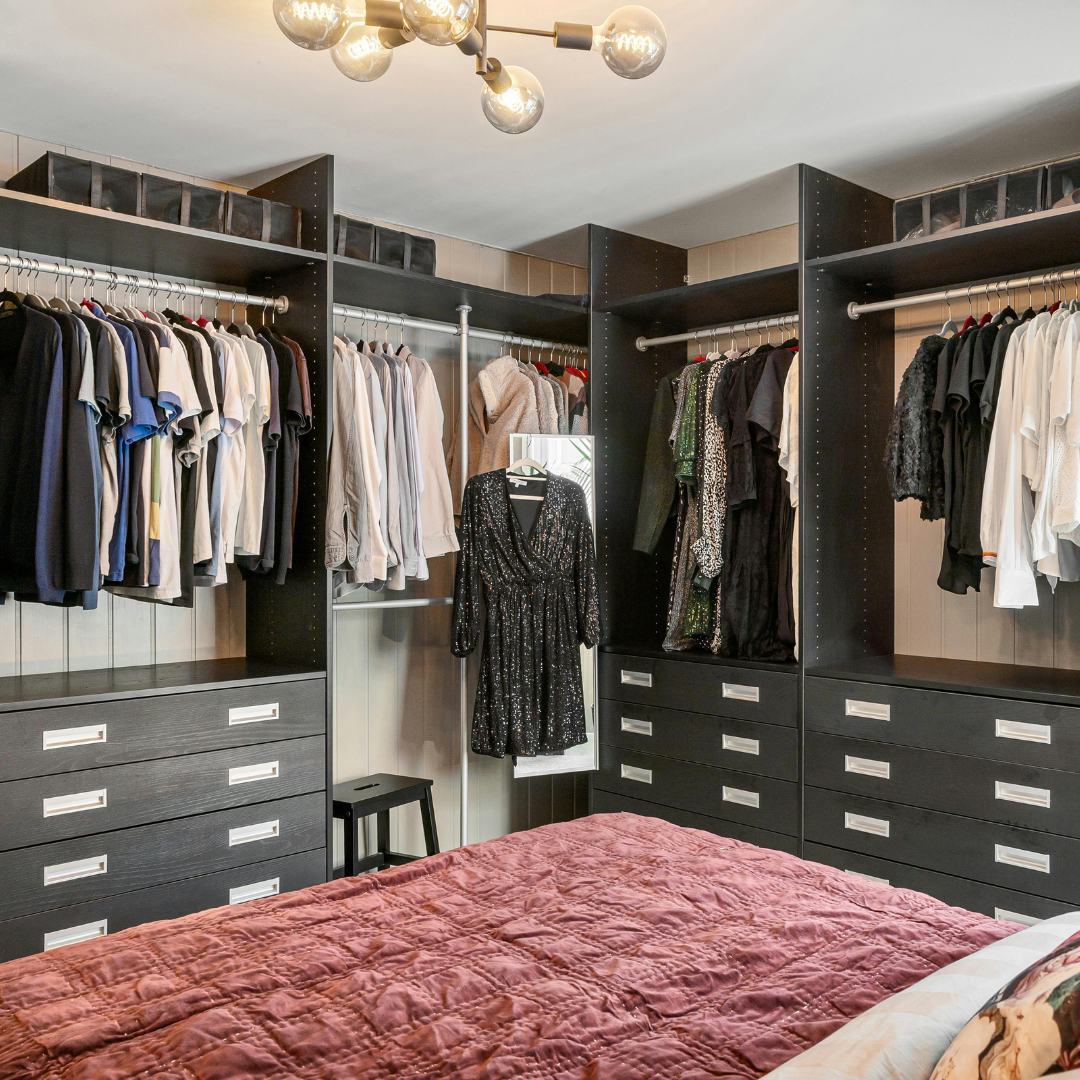
Closet Organization Tips That Save Time: Streamline Your Space Efficiently
A well-organized closet can significantly reduce stress and save valuable time each day. Proper closet organization not only maximizes space but also makes getting dressed a quicker and more enjoyable process. By implementing a few effective strategies, anyone can turn a cluttered closet into a streamlined space.
Many find it challenging to maintain order in their closets due to a lack of planning. Simple techniques, such as decluttering regularly and utilizing organizational tools like bins and hangers, can create a more functional environment. Making thoughtful choices about what to keep and how to arrange items can lead to quick decisions in the morning.
Creating a system based on personal habits can enhance efficiency. For example, grouping clothes by type or occasion enables easy access to desired outfits. With these tips, individuals can transform their closet into a time-saving tool rather than a source of frustration.
Essential Closet Organization Strategies
Effective closet organization is key to maximizing efficiency and saving time. Implementing strategic methods can transform a cluttered space into an organized haven.
Decluttering for Efficient Access
Begin by removing all items from the closet. This allows a clear view of what is present. As items are sorted, categorize them into three groups: keep, donate, and discard.
Tips for effective decluttering:
- Check for duplicates: Keep only the items you truly use.
- Evaluate utility: Consider whether each piece has been worn in the past year.
- Sentimental items: Decide if they are worth the space they occupy.
After sorting, ensure only essential items return to the closet.
Maximizing Closet Space
To make the most of closet space, utilize vertical storage. Incorporate shelves, hanging organizers, and hooks to create layers.
Consider these approaches:
- Adjustable shelving: Customize height to suit the items stored.
- Multi-tier hangers: These optimize space by allowing multiple garments to hang in a single spot.
- Footwear solutions: Use shoe racks or clear bins to keep footwear organized.
Employing these methods increases storage capacity while maintaining accessibility.
Organizing by Clothing Category
Grouping clothing by category helps streamline the dressing process. Break items down into logical sections such as tops, bottoms, and outerwear.
Further suggestions include:
- Color coding: This can enhance visual appeal and make finding items simpler.
- Seasonal rotations: Store off-season clothing out of immediate reach, keeping only current items easily accessible.
- Functional zones: Identify areas for frequently used items versus less-used pieces.
Organizing by category ensures efficiency and simplifies daily routines.
Time-Saving Storage Solutions and Tools
Effective storage solutions enhance closet organization and streamline access to clothing. By selecting the right tools and techniques, individuals can save time and effort when searching for items in their closet.
Using Storage Bins and Stackable Containers
Storage bins are essential for maximizing closet space. They come in various sizes, allowing users to categorize items effectively. Stackable containers make the most of vertical space, which is particularly useful in small closets.
Labeling bins can further improve efficiency. When items are organized in labeled containers, it becomes quick and easy to find specific clothing or accessories without rummaging through the entire closet.
Choosing transparent bins also improves visibility, so individuals can see contents at a glance. This simple adjustment can greatly reduce the time spent searching for items.
Incorporating Shelf Dividers and Drawer Organizers
Shelf dividers create distinct sections for different clothing types on shelves. This prevents items from toppling over and allows for a more organized visual display. They are particularly useful for neatly stacking sweaters, t-shirts, or jeans.
Drawer organizers help maintain order within drawers. With adjustable compartments, they accommodate various item sizes, such as socks, ties, or smaller accessories. Using drawer dividers ensures that everything has its designated space, minimizing clutter.
By implementing these tools, individuals can quickly access their belongings and maintain an organized system.
Selecting the Right Hangers
Choosing the right hangers is critical for maximizing closet space. Velvet hangers optimize space while keeping garments from slipping, making them an excellent choice for delicate fabrics. They are slim and create a uniform look in closets.
Wooden or sturdy plastic hangers are ideal for heavier garments like jackets and coats. They provide better support and help maintain the shape of clothing.
Incorporating specialty hangers, such as those with clips for skirts or pants, can also streamline organization and reduce clutter. This thoughtful selection of hangers speeds up the process of getting dressed.
Integrating Hooks and Racks
Hooks and racks offer versatile storage solutions. They can be placed on the back of doors or on walls, providing additional hanging space for bags, accessories, or even clothing items that need immediate access. This keeps frequently used items in plain sight.
Wire baskets can complement hook storage, serving as a catch-all for miscellaneous items. They can hold everything from hats to seasonal accessories, keeping them organized yet easily accessible.
This strategic integration minimizes time spent searching for items and enhances the overall functionality of the closet space.
Specialized Systems for Different Closet Types
Closet organization varies significantly depending on the type of closet. Tailoring solutions to specific designs, such as walk-in closets, small closets, or custom systems, enhances efficiency and accessibility.
Optimizing Walk-In Closets and Large Wardrobes
Walk-in closets offer expansive space for organization. Utilizing shelving allows for vertical storage, while hanging rods at different heights provide easy access to clothes. Drawers can store accessories and shoes, keeping them visible and accessible.
Consider using bins for seasonal items or infrequently used clothing. Labeling bins ensures quick identification. Strategically placed mirrors can enhance the space, making it feel larger and aiding in outfit selection.
Smart Solutions for Small Closets and Armoires
Small closets and armoires demand creative use of space. Hanging organizers can utilize vertical real estate for shoes and accessories. Over-the-door hooks maximize storage without consuming floor space.
Using multi-functional furniture can free up space. For instance, an armoire can incorporate drawers for storage and a fold-out table for additional workspace. Light colors and mirrors can visually expand a compact area, creating an illusion of depth.
Custom Closet Systems and Makeovers
Custom closet systems offer tailored solutions for personalized organization. Professionals can design a closet that fits specific needs, maximizing storage potential. Features may include adjustable shelving, pull-out racks, and dedicated compartments for accessories.
A closet makeover can be transformative. Updating hardware or refreshing paint can drastically change the appearance. It emphasizes the importance of designing a functional space that reflects individual style while ensuring everything has its place. Consider investing in quality materials for durability and longevity.
Organizing Accessories and Maintenance Routines
Efficient organization of accessories and maintenance routines can streamline daily tasks. This section covers practical methods for storing jewelry, managing clothing rotations, and setting up a laundry sorting system.
Efficient Jewelry and Small Item Storage
Jewelry can quickly become tangled and misplaced without proper organization. Using jewelry organizers can significantly enhance storage efficiency. Options such as clear storage bins or drawer organizers allow easy visibility of pieces.
Dividing items into categories—such as earrings, necklaces, and bracelets—simplifies access. Additionally, a hanging jewelry organizer can save space while displaying items attractively. Keeping small items like hair accessories in labeled containers also prevents clutter, making daily selections faster.
Managing Seasonal Clothing Rotations
Regularly managing clothing rotations ensures that seasonal items can be easily accessed. Using clear storage bins makes it simple to store out-of-season clothing while protecting it from dust and damage.
Label bins clearly with season and item type. This helps individuals quickly identify what’s inside without opening each bin. When transitioning between seasons, check clothing for damage and cleanliness. Following this routine keeps the closet organized and ensures that only relevant clothing is available.
Setting Up a Laundry Sorter
An effective laundry sorter simplifies the process of managing dirty clothes. A laundry sorter with multiple compartments allows for easy separation of colors, whites, and delicates.
Using specific bins for each category saves time when doing laundry. Employing a clearly labeled system enhances organization. Regularly checking and emptying the sorter prevents overflow. By integrating this system, he or she can streamline laundry days, making the entire process swift and efficient.

You May Also Like

10 St. Patrick’s Day Party Games

How To Color Coordinate Successfully?
